




Under Control: Designing an Inventory Management System for High-Volume University Assets
Trackify is an inventory management system designed to simplify check-in and check-out workflows, track loss and damages, and manage university assets efficiently. Won 2nd out of 35 teams in the Enterprise track for Protothon 2026, an international online UX design competition.
Abstract
Schools, colleges, sports gyms, and IT departments manage large quantities of shared equipment daily. Traditional manual logs or spreadsheets lead to lost equipment, unresolved disputes over damage, and wasted administrative hours. Designed in just 15 hours for Protothon 2026, Trackify is an enterprise-grade equipment tracking platform that makes checking items in and out fast, clear, and frictionless. Featuring real-time borrower metadata, overdue alerts, barcode printing and scanning integration, and condition logs, Trackify optimizes university logistics for property custodians and administrative staff.
Problem Statement & Background
The Challenge
How might we help property custodians manage a high volume of university equipment for an effortless tracking experience?
Schools, colleges, and IT departments manage large quantities of shared equipment every day. Items such as cameras, laptops, bats, and racquet sports gear constantly flow between staff and users.
Without a clear system, equipment goes missing, damaged items are returned without accountability, and custodians waste significant time chasing down assets. Most institutions rely on paper logs or spreadsheets, leaving room for error.
Trackify was created during an intensive 15-hour UX design challenge to address these inefficiencies, focusing on rapid checkout flows, barcode scanning, and transparent custody histories.
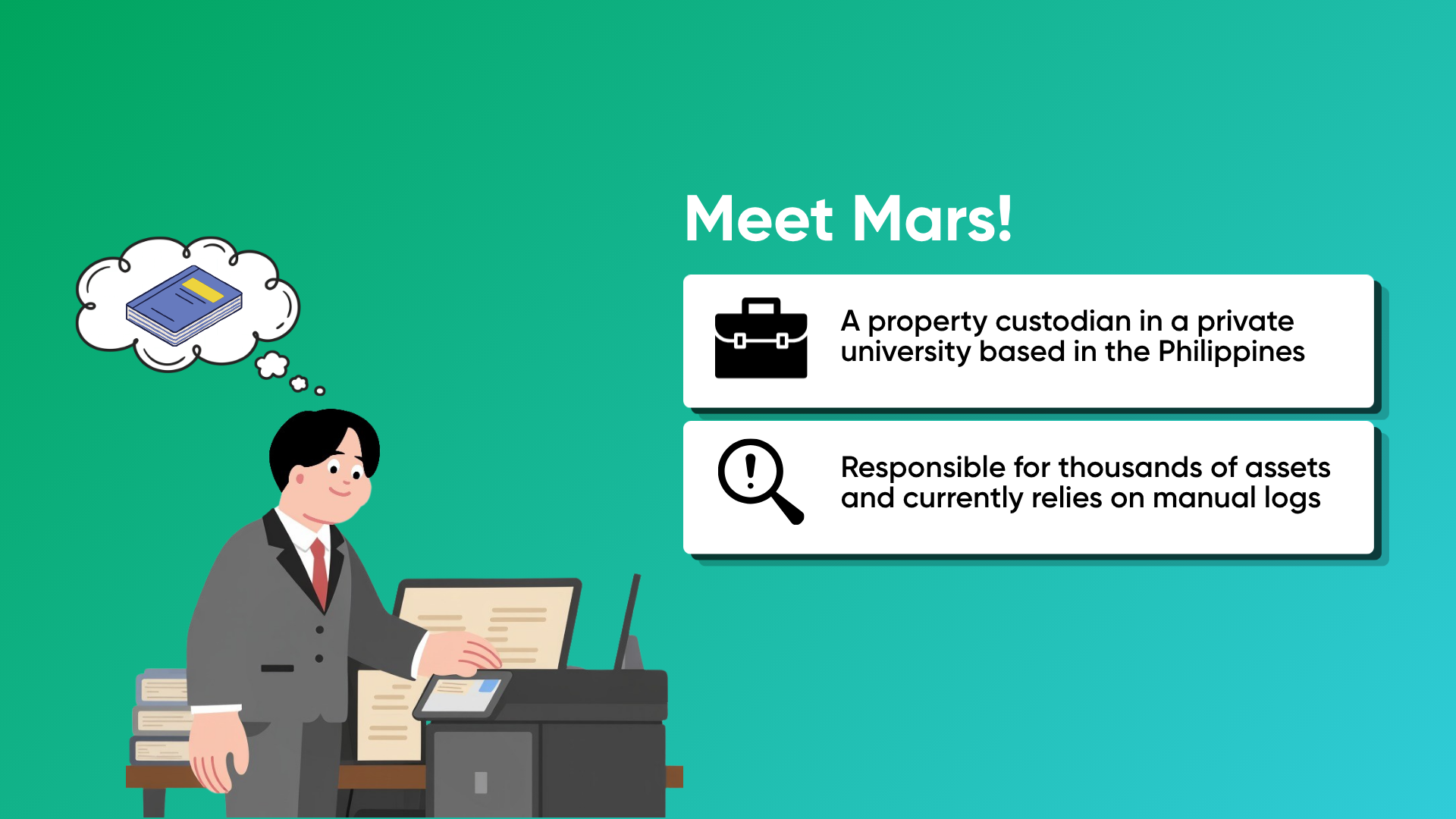
User Persona
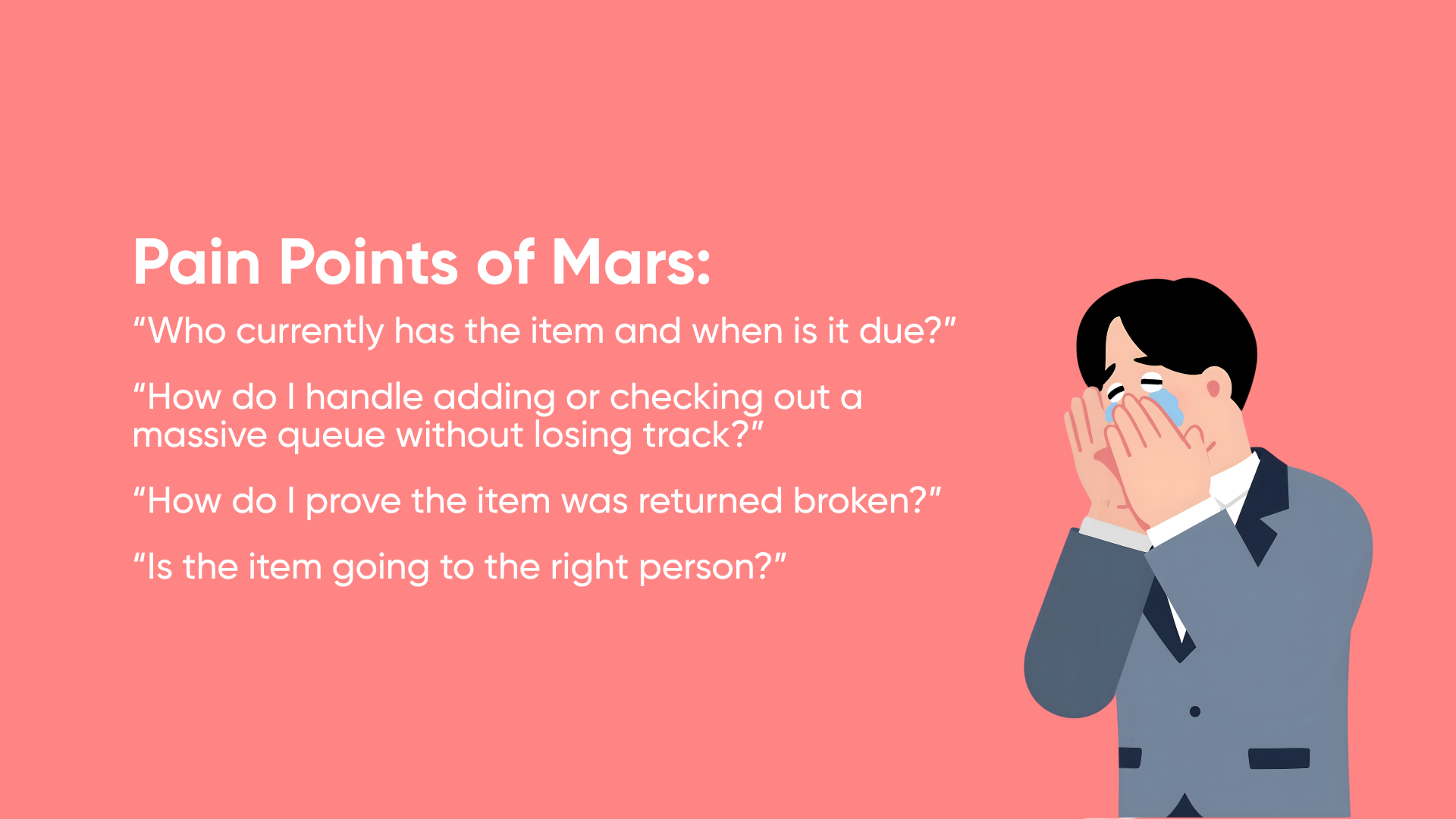
Pain Points
Design Strategy
Frictionless Checkout: Designed an interface where custodians can scan a barcode, input borrower details (name/email), and check out single or bulk items in seconds.
Real-Time Custody: Each piece of equipment maintains a detailed log containing borrower histories, check-in conditions, and active rental status to eliminate disputes over damage.
Barcode Printing Integration: Custodians can generate and print unique barcodes directly during the item creation flow, ensuring all new gear is trackable from day one.
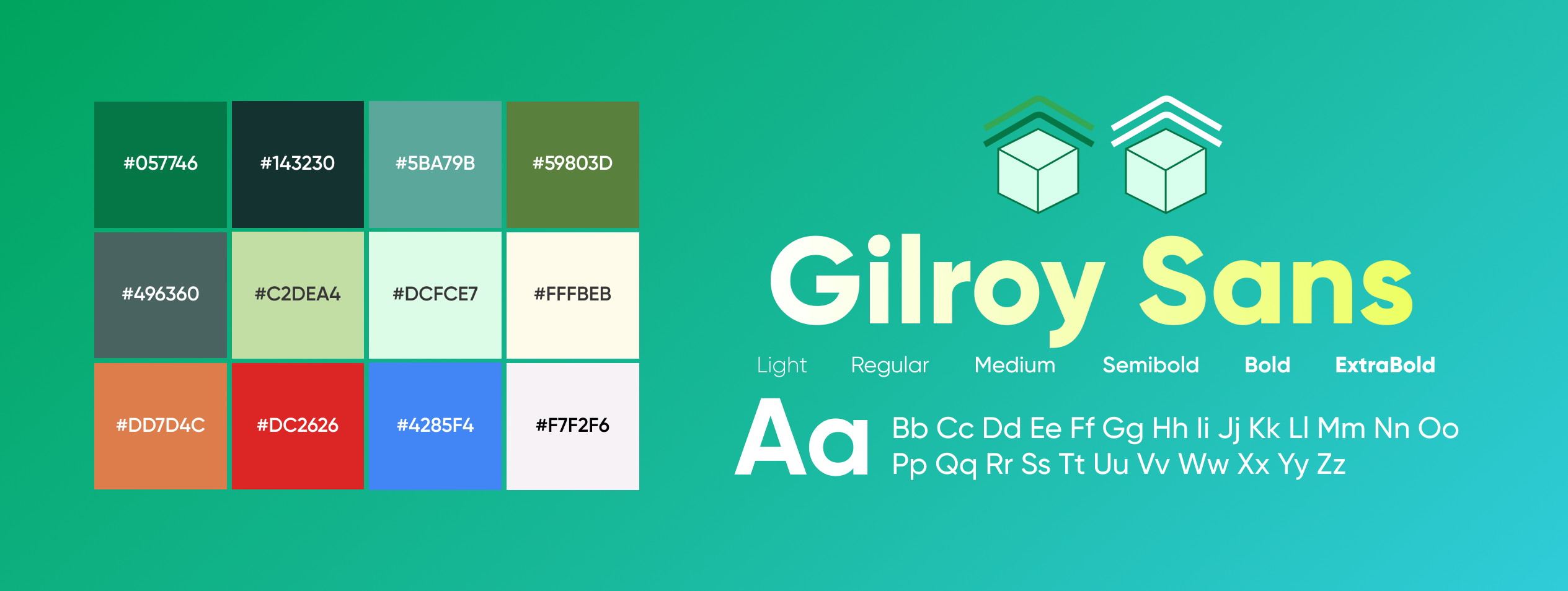
Typography & Colors
Methodology
- Conducted competitive analysis of legacy software like GigaTrak to identify gaps in user experience and interface flexibility.
- Defined core property custodian user flows: Quick Check-In/Check-Out, Barcode Scanning, and Damage Reporting.
- Formulated a feature-prioritization matrix to outline core features for V1 (custodian dashboard, quick scan, borrower logs) vs. V2 additions (public reservation catalogs, borrower profiles).
Results & Discussion
The Trackify prototype delivers a clean, intuitive enterprise dashboard, proving that automated tracking and barcode workflows significantly reduce manual log overhead.
| Features | Key Component | Solution |
|---|---|---|
| Check-In & Check-Out | Barcode & Bulk Operations | Scan barcodes directly to process single or bulk checkouts in seconds, removing manual keying. |
| Item Custody Tracking | Real-Time Metadata Log | Tracks current borrowers, active rental status, and historic transaction histories. |
| Damage & Loss Control | Condition Logs | Allows custodians to log damages, record item conditions, and check past audit histories. |
| Rules Enforcement | User Profiles & Overdue Alerts | Instantly flags late returns and evaluates user profiles for policy violations. |
By centering the V1 release on the administrative side, Trackify addresses the immediate operational needs of property custodians first.
The clean UI removes administrative clutter, enabling staff to execute check-ins and check-outs with minimal cognitive load.

Conclusion & Next Steps
Trackify proves that enterprise inventory tools do not have to feel clunky or intimidating. Empathy-driven design can make industrial tracking simple and quick.
By shifting focus to quick barcode scanning and bulk processes, the prototype saves custodians hours of manual logs daily.
Future roadmaps include a reservation system, user account views, and public item catalogs for borrowers to check availability beforehand.
Skills & Frameworks
Explore Other Case Studies
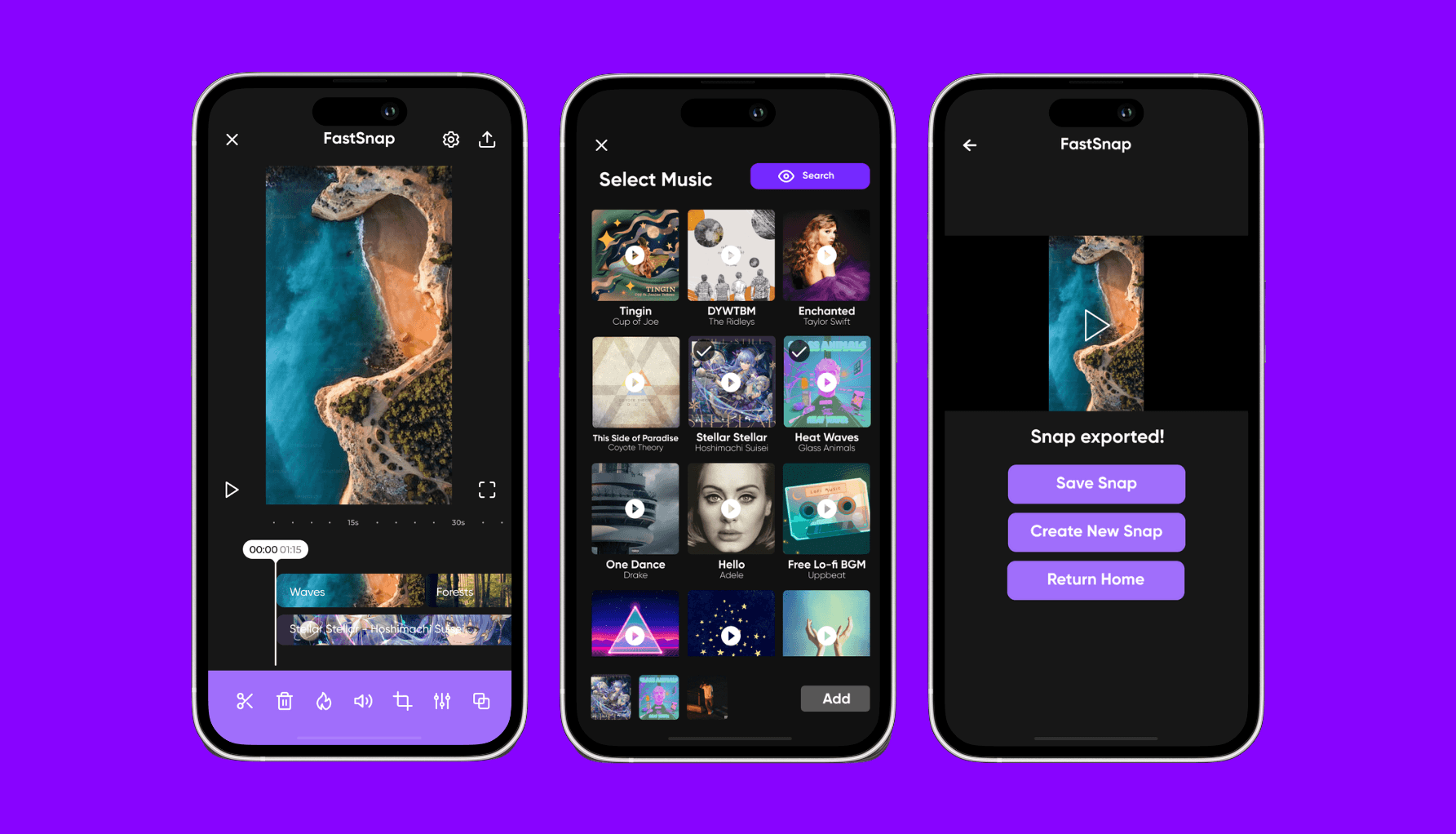
Streamlining the Workflow: Evaluation of InShot and FastSnap as a Prototype in Optimizing Video Editing Experience of College Students
FastSnap is a mobile video editor prototype made using Figma. It is designed to offer an intuitive user experience for users who edit videos on the go.
Establishing a Reliable Marketplace Platform for Cosplay Products in the Philippine Community
CosMarket is a mobile e-commerce application prototype designed to revolutionize the cosplay community by offering a seamless, secure platform for buying, selling, and renting cosplay outfits and accessories.
Design and Viability of Payonnect as a Sustainable Smart Umbrella Sharing Kiosk Network
Payonnect is an eco-friendly mobile application and kiosk sharing prototype that allows commuters to borrow and return umbrellas through QR codes, providing immediate shelter during unexpected weather.