




Design and Viability of Payonnect as a Sustainable Smart Umbrella Sharing Kiosk Network
Payonnect is an eco-friendly mobile application and kiosk sharing prototype that allows commuters to borrow and return umbrellas through QR codes, providing immediate shelter during unexpected weather.
Abstract
Payonnect is an eco-friendly prototype solution that allows commuters to borrow and return umbrellas through automated kiosks using QR codes. The system tracks transactions, manages inventory, and applies penalties for damaged or unreturned umbrellas. Developed as a high-fidelity mobile e-commerce and utility prototype, Payonnect addresses the daily challenges of commuters facing unexpected rain, providing a reliable self-service sharing model validated by a strategic Business Model Canvas.
Problem Statement & Background
The Challenge
How might we make the process of borrowing and returning an umbrella seamless and convenient for commuters when faced with unexpected rain?
Unexpected weather changes in urban environments frequently leave commuters stranded without rain protection, leading to reduced mobility, productivity losses, and potential health concerns.
Purchasing cheap, low-quality umbrellas during sudden downpours leads to significant plastic waste, clutter, and unnecessary repetitive expenses for commuters.
Payonnect addresses these inefficiencies by establishing a sustainable, automated network of QR-code-enabled umbrella kiosks, placing reliable rain gear within reach whenever and wherever needed.
Design Strategy
The UI incorporates clean onboarding, simplified account management, and a dashboard focused on locating kiosks and viewing active rentals.
Users can rent an umbrella in under a minute by scanning a kiosk's QR code, selecting their payment preference (QR Ph, GCash, Maya, GrabPay), and confirming the rental status.
Special attention was paid to transaction exceptions: notifying users about overdue rentals, calculating damage fees, and filtering historic transaction logs to maintain full system transparency.
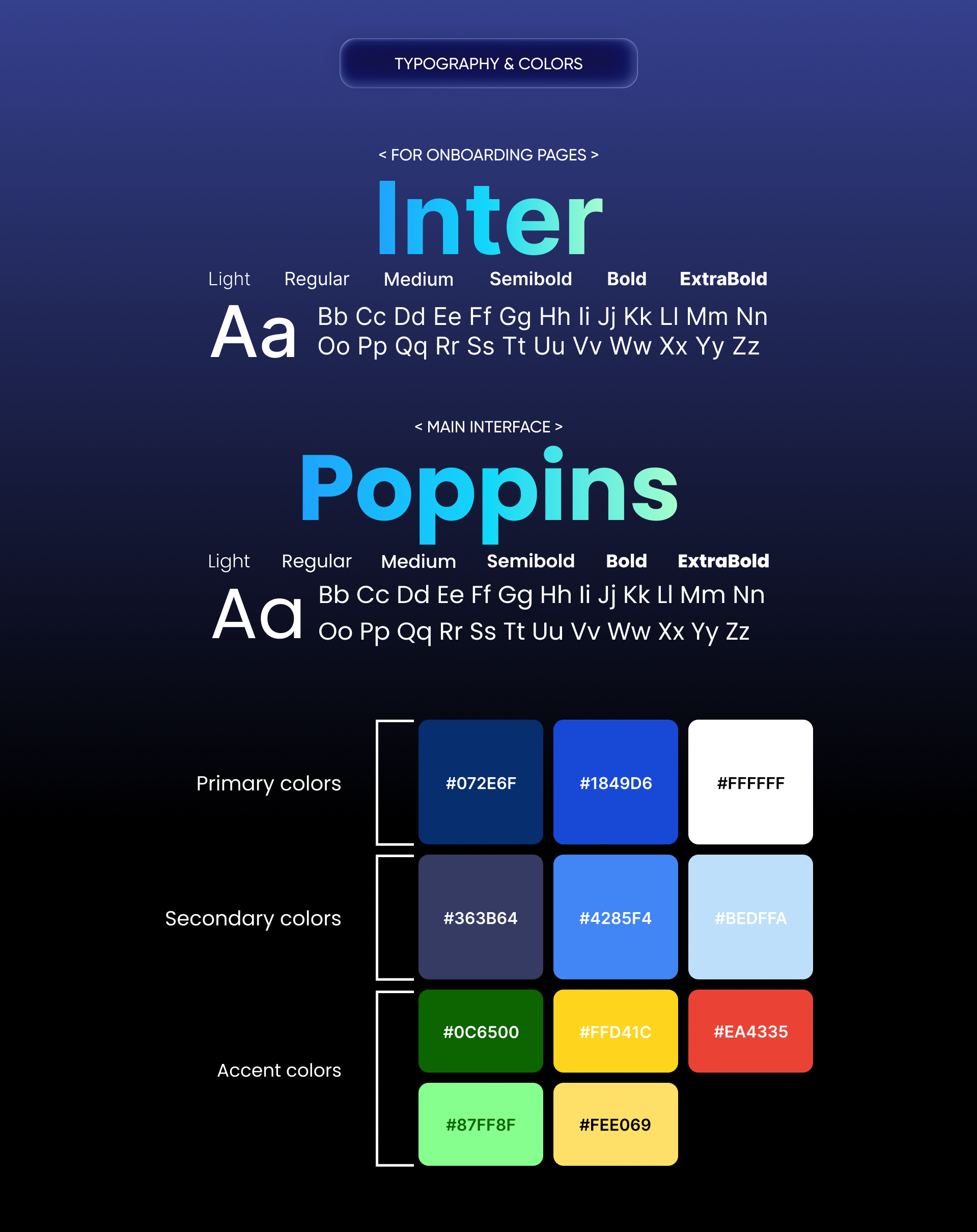
Typography & Colors
Methodology
- Defined core user flows for umbrella rental and return, optimizing the interface to require minimal taps from QR scan to checkout.
- Simulated automated kiosk-to-mobile messaging and notifications for late returns and damaged products.
- Conducted financial and strategic validation of the project using a Business Model Canvas, analyzing key partners, cost structures, and revenue streams.
Results & Discussion
The project successfully simulated a robust transaction workflow, demonstrating a sustainable business model for a municipal or transport-network-wide sharing system.
| Features | Key Component | Solution |
|---|---|---|
| Borrow Process | QR Code Scan & Pay | Takes less than 15 seconds to unlock a kiosk umbrella. |
| Return Process | Drop-off & Verify | Automated kiosk validation checks umbrella condition. |
| Late Detection | Active Alerts | Push notifications warn users of upcoming fees. |
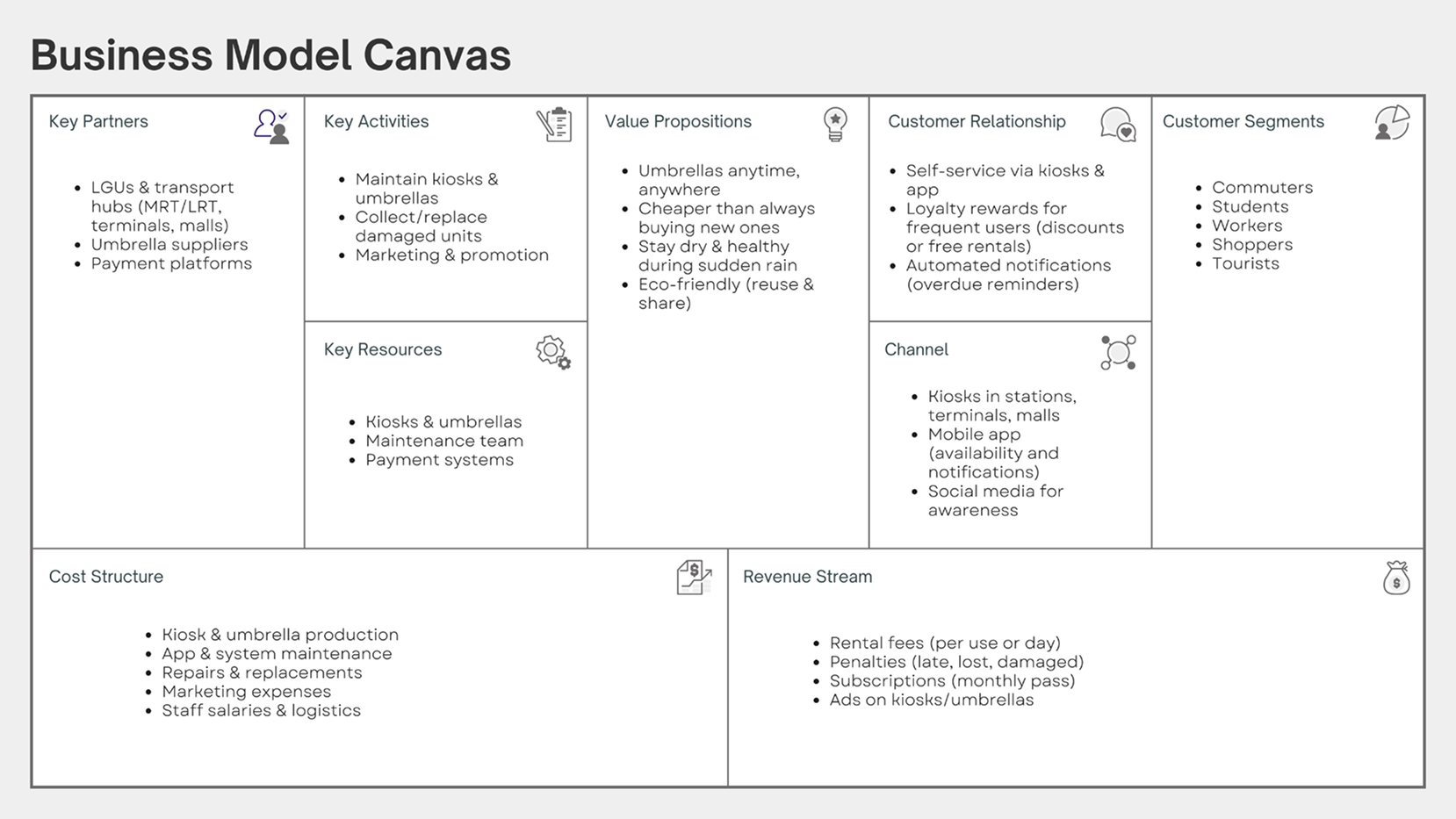
The Business Model Canvas validates the financial viability of Payonnect. Primary revenue streams include rental fees and overdue penalties, complemented by monthly subscription passes and kiosk-based advertising space.
Key partnerships with local government units (LGUs) and transit hubs (MRT/LRT stations) provide critical high-foot-traffic locations for kiosk deployments.
Business Model Canvas
Conclusion & Next Steps
Payonnect presents a viable, eco-friendly framework that merges smart utility with environmental consciousness.
By shifting the paradigm from umbrella ownership to a self-service sharing model, the design reduces plastic waste and solves a major daily commuter pain point.
Future enhancements will focus on integrating real-time weather APIs to proactively alert commuters of incoming weather shifts before they exit transit stations.
Skills & Frameworks
Explore Other Case Studies
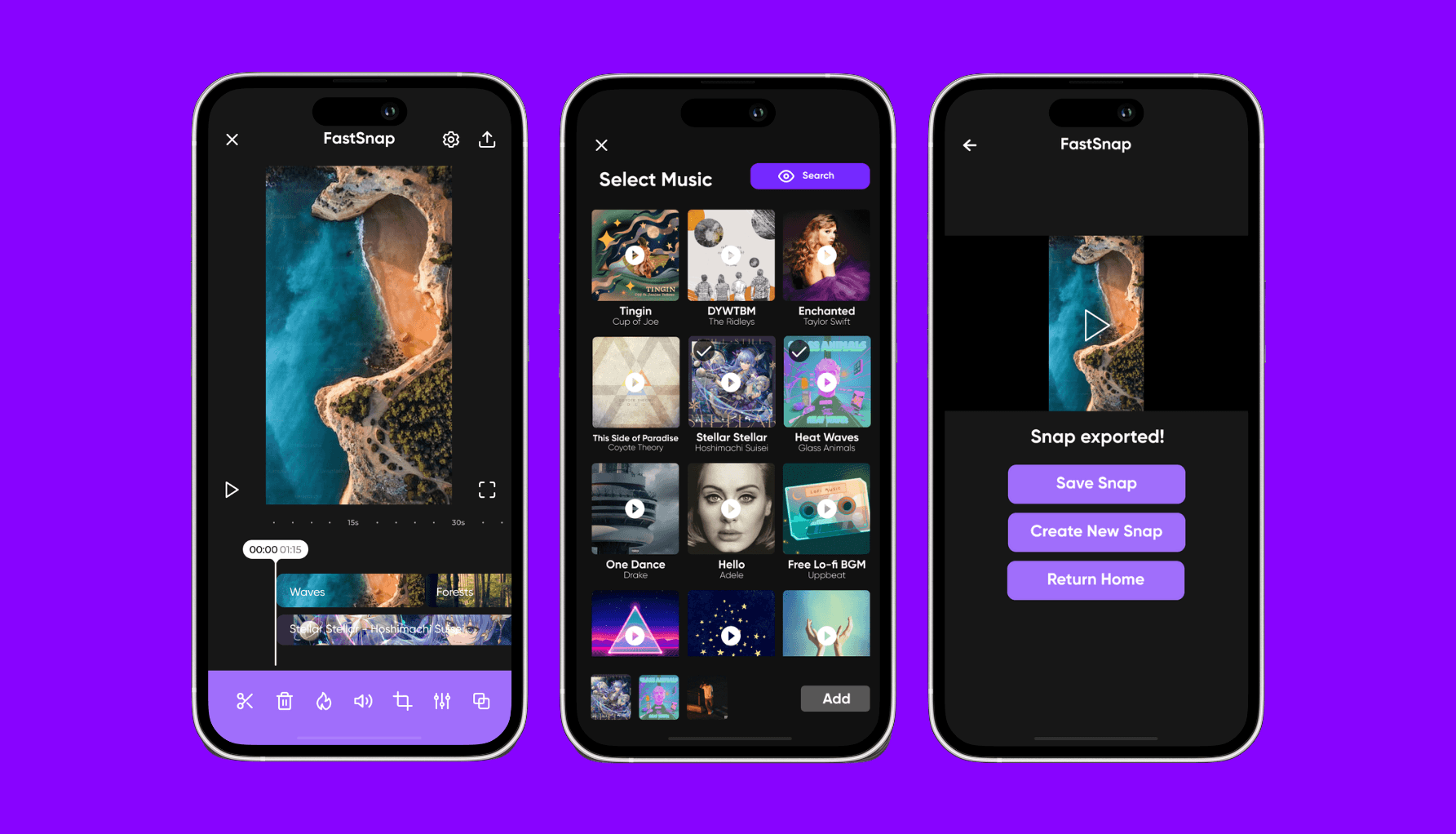
Streamlining the Workflow: Evaluation of InShot and FastSnap as a Prototype in Optimizing Video Editing Experience of College Students
FastSnap is a mobile video editor prototype made using Figma. It is designed to offer an intuitive user experience for users who edit videos on the go.
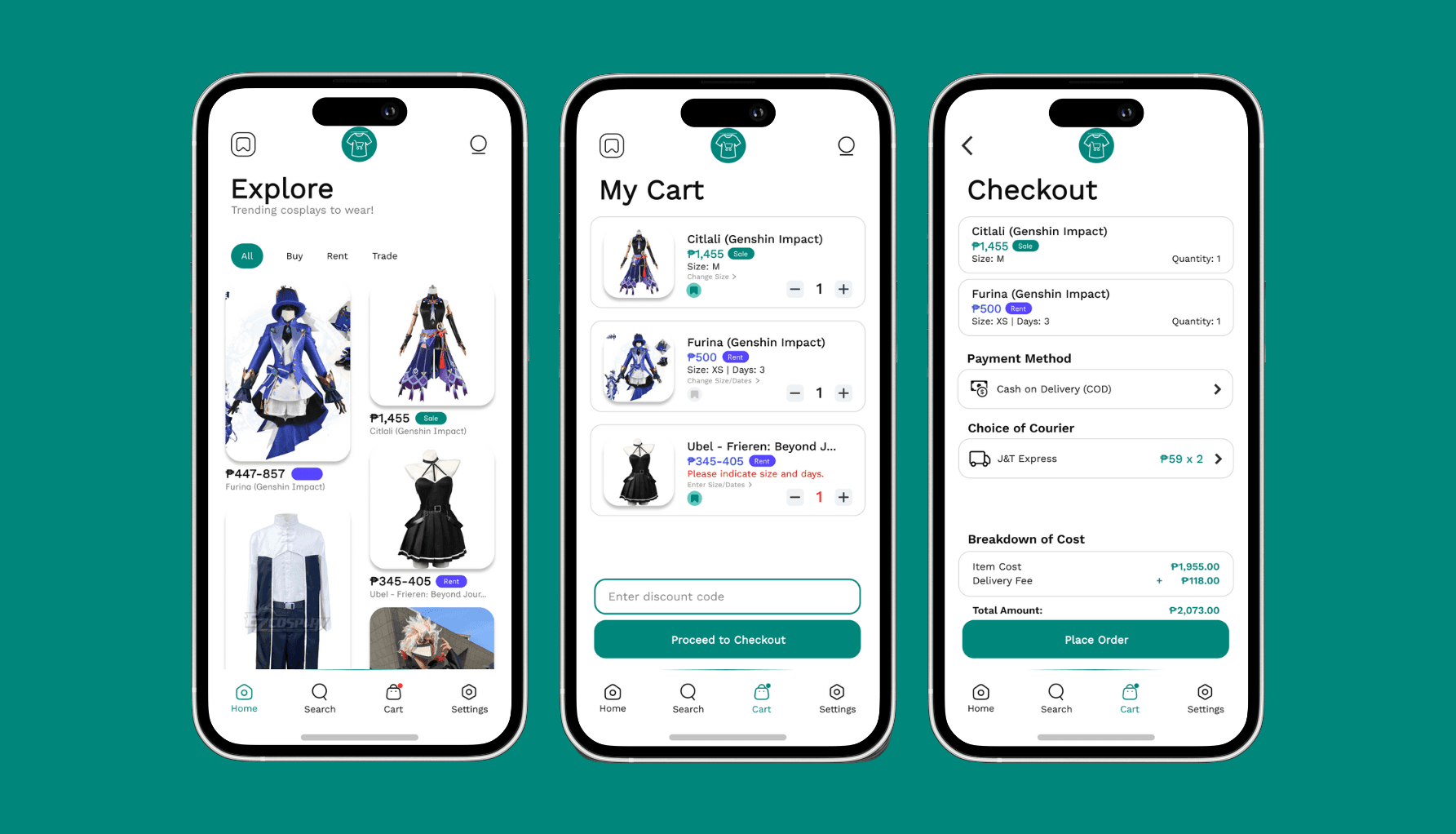
Establishing a Reliable Marketplace Platform for Cosplay Products in the Philippine Community
CosMarket is a mobile e-commerce application prototype designed to revolutionize the cosplay community by offering a seamless, secure platform for buying, selling, and renting cosplay outfits and accessories.
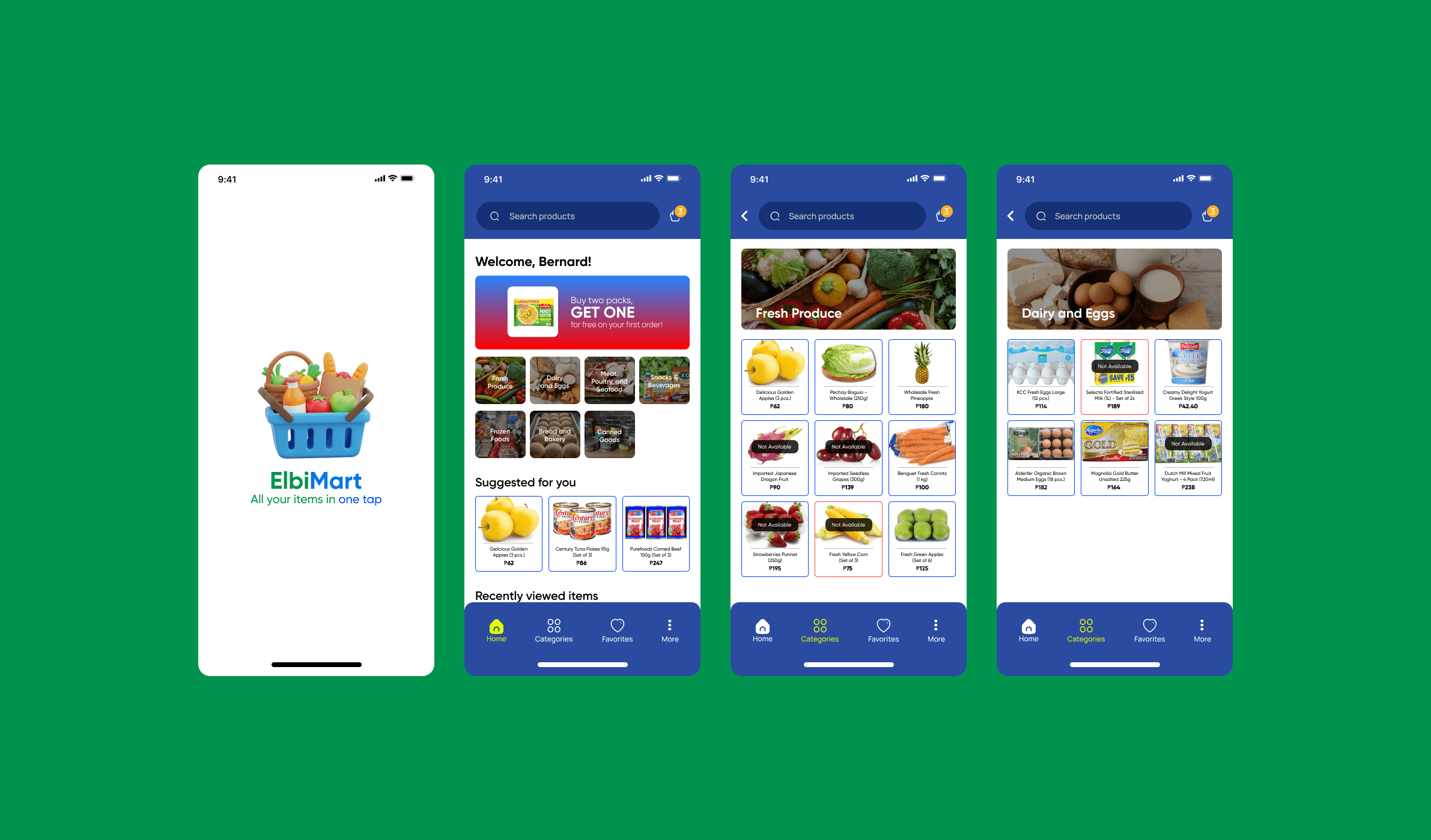
When the Market Is Too Far: Designing a Local Grocery Delivery System
ElbiMart is a high-fidelity mobile e-commerce prototype designed to consolidate local grocery options and streamline delivery logistics for the residents of Los Baños.